

For independent US auto repair shops, valve cover gasket oil‑leak repair counts as one of the most frequent engine‑sealing service events for domestic pickup trucks and SUVs.
For ASE‑certified technicians working inside busy service bays, a faulty valve cover gasket kit can create costly comeback repairs, wasted labor hours, and parts‑inventory headaches for auto repair garages.
Even though valve cover gasket replacement is treated as routine shop work, poor aftermarket gasket selection, incomplete kit content, and unoptimized gasket stocking strategy regularly produce repeat oil‑leak comebacks.
This technical article targets shop owners, service managers, and professional technicians exclusively. No DIY guidance is included.
Content covers molded‑rubber valve cover gasket material properties, gasket failure‑mode analysis, on‑bay diagnostic workflows, and a curated list of high‑turn products built for repair‑shop parts inventory.
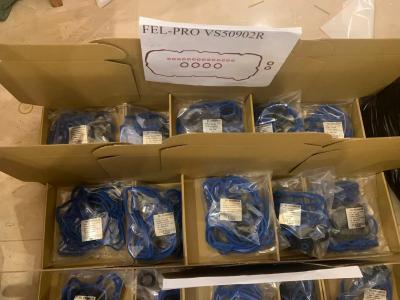
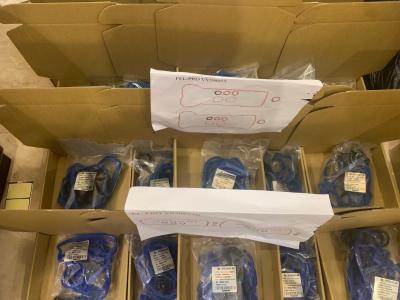
Molded‑Rubber Valve Cover Gasket Material Performance for Repair‑Shop Engine Sealing Work
Valve cover gaskets operate under low‑clamping‑force thermal‑cycling conditions.
While valve cover gasket assemblies do not contain combustion pressure, every aftermarket valve cover gasket must withstand repeated thermal cycling, sustained hot‑motor‑oil exposure, and minor micro‑movement between aluminum and cast‑iron engine components.
High‑quality molded‑rubber valve cover gasket kits are engineered for real‑world garage service conditions. In many repair‑shop scenarios, cylinder‑head sealing surfaces show minor pitting, light corrosion, or wear marks from prior valve‑cover‑gasket service cycles.
A competent aftermarket valve cover gasket must compensate for these imperfect surfaces to deliver long‑term sealing performance.
When evaluating engine sealing parts for shop inventory, repair‑shop purchasing teams should audit these critical performance metrics for every valve cover gasket kit:
1. Elastomer compound resistance against synthetic and mineral motor‑oil degradation across full engine operating temperature range.
2. Complete set of integrated spark‑plug tube seals and mounting grommets matching OEM valve‑cover‑gasket kit specifications.
3. Built‑in compression‑limiting bead geometry to reduce technician‑error damage caused by over‑torquing fasteners inside the service bay.
4. Long‑term dimensional stability, resisting permanent crush‑set under thousands of heat‑cool cycles on domestic US truck and SUV engines.
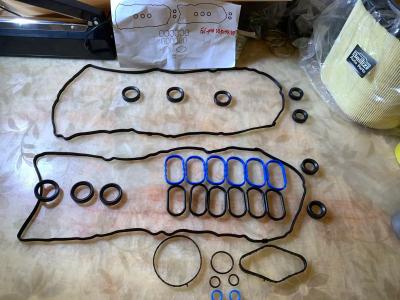
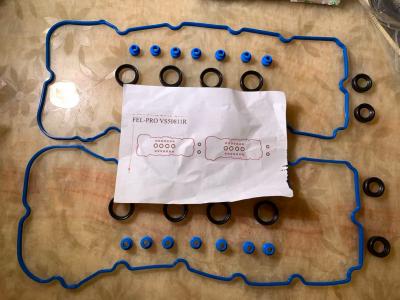
Budget‑grade aftermarket valve cover gasket products frequently omit secondary sealing components.
Even if the primary gasket bead matches dimensions, missing or low‑quality spark‑plug tube seals are a top source of post‑repair oil leaks on modern domestic V6 and V8 platforms.
Budget‑grade aftermarket valve cover gasket products frequently omit secondary sealing components.
Even if the primary gasket bead matches dimensions, missing or low‑quality spark‑plug tube seals are a top source of post‑repair oil leaks on modern domestic V6 and V8 platforms.
Root‑Cause Analysis for Premature Valve Cover Gasket Failures and Comeback Repairs in Garages
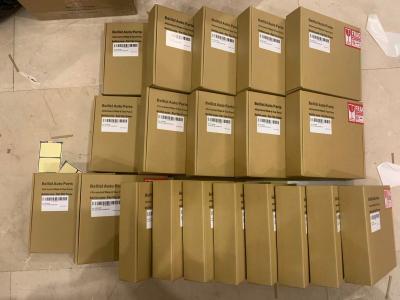
Field observations collected across US repair garages show that premature valve cover gasket failure seldom originates purely from manufacturing defects. Most comeback‑repair cases trace back to service‑bay procedure errors, unaddressed engine system faults, hardware deformation, or incorrect valve cover gasket kit selection.
Surface Preparation and Torque Errors Leading to Valve Cover Gasket Comeback Repairs
Aggressive scraping can gouge soft aluminum sealing surfaces. Damaged surface geometry creates permanent leak paths even with brand‑new premium valve cover gasket kits.
Inconsistent fastener torque is another major risk for auto repair shops. Over‑torque crushes molded‑rubber valve cover gasket cross‑section and risks warping thin aluminum valve‑cover hardware.
Under‑torque creates uneven clamping pressure across the sealing bead. Every valve‑cover‑gasket installation must follow OEM service‑manual torque values and criss‑cross tightening sequences.
Neglected PCV System Issues Overloading Valve Cover Gasket Sealing Load
Malfunctioning PCV assemblies build excessive crankcase pressure. Abnormal positive crankcase pressure will overwhelm clamping force applied to the valve cover gasket.
Even perfectly installed aftermarket valve cover gasket kits will leak under sustained abnormal pressure.
For repair‑shop workflows, technicians must inspect and validate PCV function during every valve‑cover‑gasket service instead of simply swapping engine sealing parts.
Valve‑Cover Substrate Warpage Neglected During Service‑Bay Inspection
Many GM and Ford domestic‑truck aluminum valve‑covers develop subtle warpage from historical over‑torque or long‑duration thermal stress. Visual‑only inspection is insufficient before installing a new valve cover gasket.
Shops need flatness verification procedures; re‑using warped valve‑cover hardware drastically raises comeback‑repair risk regardless of gasket quality.
Incomplete or Mismatched Valve Cover Gasket Kit Content
Partial valve cover gasket kits missing spark‑plug tube seals, grommets or auxiliary O‑rings generate partial‑seal failures.
Many cross‑reference catalog entries only list main gasket part‑numbers and omit required secondary sealing components. Service managers should verify full‑kit completeness before engine sealing parts reach the service bay.
Curated Valve Cover Gasket SKU Reference for Repair‑Shop Parts Inventory
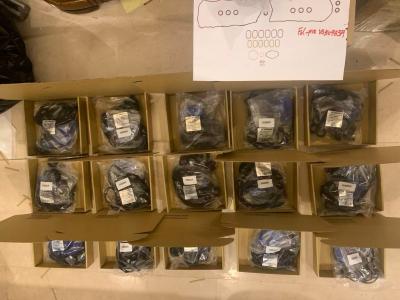
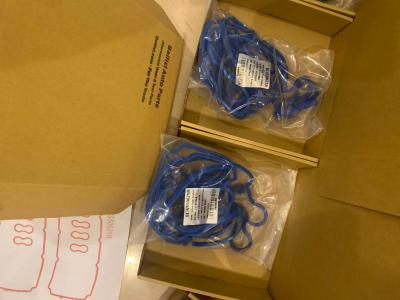
Small‑and‑mid‑size US auto repair shops face classic inventory trade‑offs for engine sealing parts. Stocking every available valve cover gasket products ties up large amounts of working capital and consumes valuable shelf space inside garages.
Ordering every valve‑cover‑gasket set on a job‑by‑job basis creates vehicle hold‑time, lost service‑revenue opportunities and higher freight‑cost per unit.
This curated 10 list valve cover gasket set covers highest‑volume domestic‑engine repair work seen in US independent repair garages.
This gasket stocking strategy covers core GM Silverado / Sierra, Ford F‑Series, Mustang, Expedition and Lincoln Navigator engine families.
Low‑volume European‑platform gaskets are excluded from this core inventory group; shops should source those engine sealing parts via special‑order.
Valve Cover Gasket Inventory Best Practices for Small‑to‑Mid‑Size US Repair Garages
Implementing this gasket stocking strategy requires simple internal workflows to raise gross margin and reduce obsolescence risk for your valve cover gasket parts inventory.
Monitor Valve Cover Gasket SKU Turn Rates
Track monthly turn‑rate for every valve cover gasket kit in stock. Raise stocking quantities for engine sealing parts matching locally‑popular domestic truck platforms.
Reduce stock levels for slower‑moving valve cover gasket entries inside this 10 sets group.
Store molded‑rubber valve cover gasket kits inside factory‑sealed packaging, shielding elastomer materials from UV‑light and workshop ozone degradation.
Standardize Cross‑Reference Lookup Inside The Service Bay
Technicians should cross‑reference OEM numbers and industry cross‑reference part‑numbers before pulling valve cover gasket kits from shelf inventory.
Do not rely purely on year‑make‑model filtering. Many domestic trucks ship with multiple engine options for identical model‑year ranges, increasing risk of ordering the wrong aftermarket valve cover gasket kit.
Warehouse Handling for Valve Cover Gasket Kits
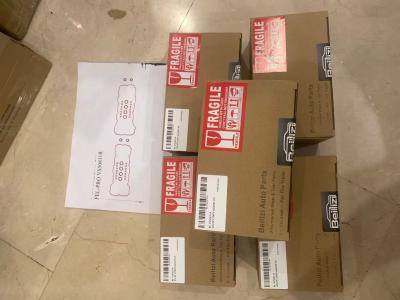
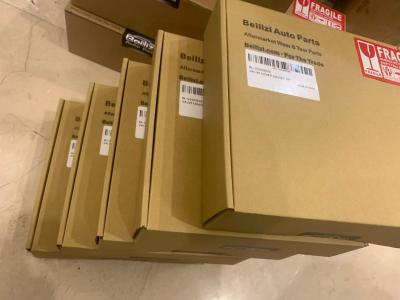
Keep every valve cover gasket kit sealed inside factory packaging until assigned to a specific repair order.
Unpackaged molded‑rubber engine sealing parts risk scratches, ozone aging and shop‑chemical contamination, degrading gasket performance before installation ever takes place.
Conclusion
Valve cover gasket oil‑leak repair remains a core revenue‑generating service for US independent repair shops.
Reducing costly comeback‑repair events depends not only on proper service‑bay installation technique, but also informed aftermarket valve cover gasket material selection and disciplined valve‑cover‑gasket parts‑inventory management.
By concentrating capital on this curated 10 group of engine sealing parts, auto repair garages can cover most high‑volume Ford and GM domestic truck, SUV and performance‑vehicle repair jobs.
This gasket stocking strategy lowers capital locked‑up inside slow‑moving inventory while shortening vehicle hold‑time during valve‑cover‑gasket service work.
Follow us on YouTube and Instagram for more technical guidance and parts reference material targeted toward professional repair‑shop technicians.