

A reliable serpentine belt tensioner assembly is essential for consistent engine accessory performance for daily drivers, DIY vehicle owners, and independent repair shops.
Professional mechanics often identify tensioner wear as one of the most overlooked causes of engine noise, belt slippage, and intermittent accessory failure.
Quality OEM-equivalent aftermarket tensioners deliver dealership-level durability without brand markup, suitable for personal replacement jobs and repair shop inventory stocking for American and Japanese vehicles.
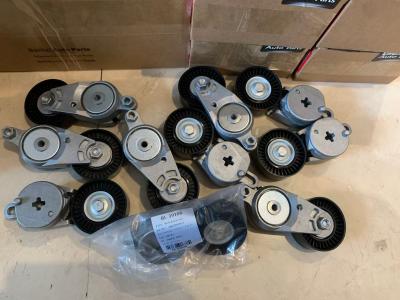
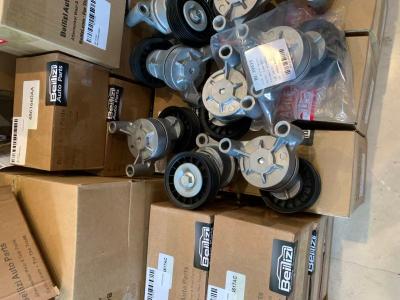
What Is a Serpentine Belt Tensioner Assembly (Mechanic’s Explanation)
The serpentine belt tensioner assembly maintains calibrated spring pressure on the drive belt system. It compensates for natural belt stretch, thermal expansion, and normal wear during long-term vehicle operation.
Consistent tension prevents belt slip, overheating, and premature belt failure. Professional technicians prioritize full assembly replacement over partial repairs to reduce customer comebacks and improve long-term service reliability.
For Ford trucks and SUVs requiring dependable drive system parts, browse our in-stock Ford tensioner and drive system assemblies for professional-grade replacements.
A complete assembly includes tensioner arm, heat-resistant internal spring, sealed bearing pulley, and precision mounting bracket. Partial pulley-only replacements are widely considered temporary fixes in professional repair environments.
Common Failure Symptoms (Diagnostic Checklist for DIYers & Repair Shops)
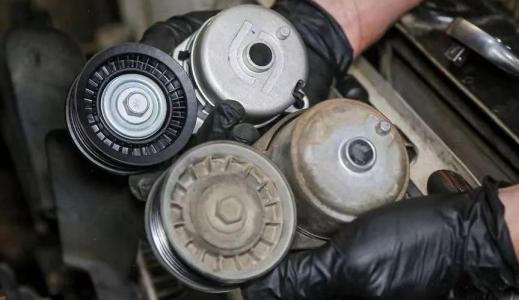
Squealing or Chirping Noise During Startup & Acceleration
Rhythmic engine squealing is the most common tensioner failure symptom. Loose spring tension causes minor belt slippage, especially under AC load or power steering operation. Repair shops frequently flag this issue during noise complaint diagnostics.
Premature Belt Glazing, Fraying, and Uneven Wear
Unstable tension creates inconsistent belt movement across pulleys. This leads to edge fraying, surface glazing, and shortened belt lifespan. Fleet service technicians monitor this wear pattern to prevent roadside breakdowns for client vehicles.
Excessive Pulley Wobble and Loose Bearing Play
Visible side-to-side pulley wobble indicates worn internal sealed bearings.
This condition destabilizes the entire drive system alignment and poses a sudden belt detachment risk. It is a standard quick visual check for every professional pre-service inspection.
Intermittent Accessory Performance Issues
Failing tensioners cause inconsistent operation of the alternator, water pump, and AC compressor.
Dim lighting, weak cooling, and stiff steering are common customer complaints that lead repair shops to inspect the full tensioner assembly.
In-Stock Tensioner Assembly Fitment Overview (US & Japanese Vehicles)
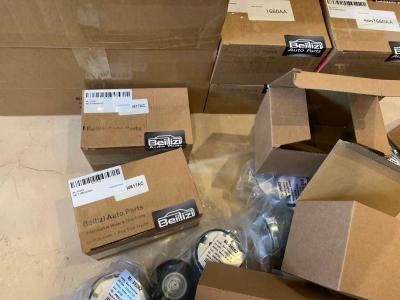
We maintain ready-to-ship inventory of direct-fit tensioner assemblies for popular American and Japanese models. Our stock supports bulk order stocking for repair shops and independent garages. This list could solve 80% of market demand.
All listed tensioner assemblies match strict OEM dimensional specs and spring tension calibration. For reliable Japanese vehicle drive-system replacements, view Nissan tensioner assemblies for consistent workshop quality.
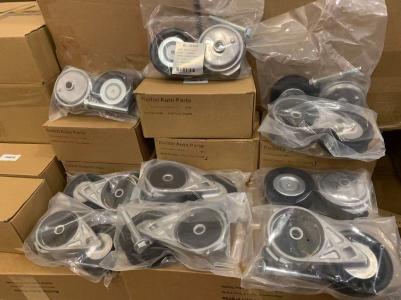
Why Professional Mechanics Recommend Full Assembly Replacement
Many vehicle owners and quick-service shops attempt low-cost pulley-only replacements. This outdated method fails to address fatigued internal springs, which lose factory calibration after years of engine heat and vibration.
Professional repair standards confirm: only a full tensioner assembly restores original belt alignment, tension stability, and long-term durability.
Full-unit replacements significantly reduce repair comebacks, a critical benefit for independent shops building long-term customer trust.
For DIY users, full assembly installation eliminates repeated troubleshooting. For repair businesses, standardized OEM-spec parts improve service consistency and lower overall job costs.
Key Professional-Grade Features of Our Aftermarket Tensioners
Our tensioner assemblies are engineered to meet the strict tolerance requirements of both DIY home repair and professional workshop installation.
OEM-Calibrated Spring Tension
Precision-tuned springs retain stable tension in high-heat engine bays. Consistent pressure eliminates slip noise and extends serpentine belt service life, ideal for fleet and high-mileage vehicles serviced by repair shops.
Heat-Resistant Sealed Bearings
Industrial-grade sealed bearings resist dust, moisture, and continuous thermal cycling. They prevent wobble, noise, and premature failure, delivering workshop-proven reliability.
Exact Direct-Fit Mounting Geometry
very assembly mirrors OEM mounting hole positioning and bracket angles. No modification, drilling, or bending is required, speeding up installation time for technicians and simplifying DIY repairs.
OEM Quality Without Retail Brand Markup
We eliminate third-party brand markup, allowing DIY owners to access factory-quality parts at affordable prices and enabling repair shops to increase profit margins on routine drive-system service jobs.
Critical Fitment Rules for Mechanics & DIY Installers
Professional technicians always verify three key details before part installation: official OE part numbers, cross-reference compatibility, and matching serpentine belt length.
Mismatched belt lengths or incorrect tensioner travel range cause persistent tension issues, even with brand-new parts. Accurate fitment verification prevents comeback repairs for shop jobs and installation failures for DIY users.
US Dual-Warehouse Fast Shipping for Shops & DIY Orders
All tensioner assembly inventory is stocked in our East Coast and West Coast US warehouses. Fast order processing, secure industrial packaging, and expedited domestic delivery support.
Frequently Asked Questions (Dual Audience FAQ)
How many miles does a serpentine belt tensioner assembly last?
Premium aftermarket and OEM tensioners typically last 60,000 to 100,000 miles. High-mileage fleet vehicles and short-trip driving accelerate wear, a key consideration for professional shop service recommendations.
Can I replace a tensioner assembly as a DIY project?
Yes, DIY installers can complete the job at home. But Beilizi strongly suggests to ask professional mechanics for fast turnaround service.
Should repair shops replace the belt and tensioner together?
Professional best practice requires simultaneous belt and tensioner replacement. Worn old belts will not calibrate correctly with new tensioners, creating repeat noise and slip issues that cause customer comebacks.
Are aftermarket tensioners acceptable for professional repair work?
OEM-spec aftermarket tensioners with calibrated springs and sealed bearings meet factory performance standards for daily driving, fleet service, and general shop repair work at a lower cost than dealership parts.
Final Thoughts
Always verify OE fitment before installation for every domestic and Japanese vehicle repair.
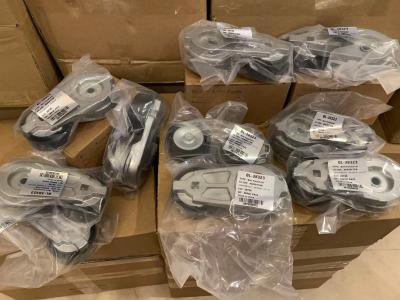
Follow our official channels for DIY installation tutorials, mechanic tech tips, and new bulk inventory updates:
YouTube: Beilizi Auto Parts
Facebook: Beilizi Auto Parts