

Running a small auto repair shop or working as an independent mobile mechanic brings consistent challenges with cabin air filter inventory.
Most shop owners face a frustrating trade‑off: stock hundreds of different SKUs to cover every possible vehicle, or risk missing filter parts when customer cars roll in for service.
Too many part numbers tie up working capital, eat up valuable shelf space, and create avoidable obsolescence loss from slow‑moving inventory. For US repair shops focusing on domestic and Japanese vehicles, you do not need dozens of specialty filters to serve most jobs well. Pure activated‑carbon cabin air filters deliver the broadest, most reliable real‑world performance for everyday repair‑shop work.
Why Stick to Basic Activated‑Carbon Cabin Filters, Skip Fancy Add‑On Features
Many aftermarket cabin filters advertise premium bonus features: built‑in aromatherapy scent capsules, negative‑ion generators, antimicrobial coatings, and enhanced anti‑allergen layers.
While these marketing features sound attractive to retail buyers, they create real downsides for professional repair‑shop inventory.
Scented / aromatherapy filters have short effective lifespans; fragrance fades quickly in hot vehicle HVAC systems, and customer satisfaction becomes inconsistent.
Ion‑infused and antimicrobial filters carry higher unit costs without universally proven real‑world service benefits for most routine maintenance jobs.
These specialty variants multiply your required SKU count, worsen inventory pressure, and increase your risk of write‑offs.
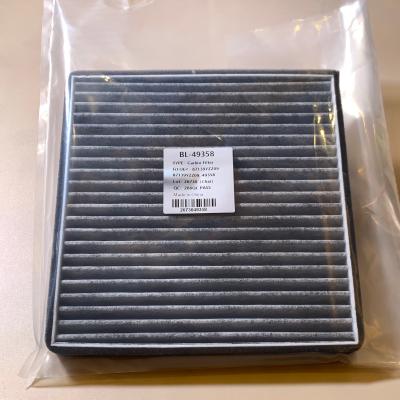
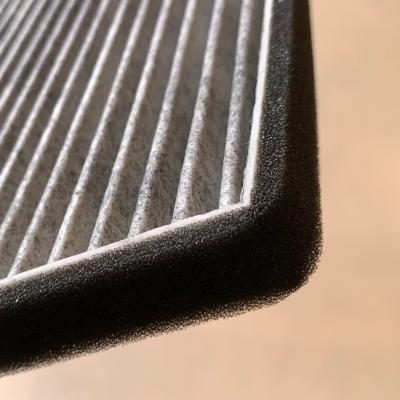
Activated‑carbon cabin filters balance solid particulate capture plus odor and VOC‑gas absorption from exhaust, traffic fumes, and mildew smells inside vehicle HVAC systems. This is the filter type most consistently accepted by vehicle owners, delivers proven value, and works across the vast majority of US‑market domestic and Japanese cars, trucks, and SUVs.
The Core Inventory Pain Point for US Small Repair Shops
In the United States aftermarket, domestic GM, Ford, Jeep, and major Japanese brands (Nissan, Toyota, Honda) make up the overwhelming volume of independent‑shop service work. European‑model volume is comparatively low for many small garages.
Even limiting your scope to domestic and Japanese vehicles, the catalog lists hundreds of cabin‑filter part numbers. Stocking every OEM‑replacement filter creates three clear problems for small operators:
Capital lock‑up: Cash sits idle on shelves instead of going toward tools, payroll, or shop improvements.
Warehousing stress: Cabin filter cartons consume limited shelf and bin space inside compact repair bays.
Obsolescence risk: Slow‑selling SKUs sit for months or years, risking packaging degradation and expired shelf stock.
Many small shops respond by stocking almost zero cabin filters and ordering parts job‑by‑job. This creates new pain: longer wait‑times for customers, higher per‑unit costs, and lost upsell opportunities during routine oil‑change or tune‑up appointments.
Beilizi Auto Parts Solution: 17 Filters to Cover 80%+ of Common USA Domestic & Japanese Service Jobs
You do not need to stock 80‑120 different cabin filter items to serve most cars coming into your shop. Our curated set of 17 activated‑carbon 3‑pack cabin‑filter delivers coverage for over 80 percent of mainstream US‑market domestic and Japanese vehicles seen at independent repair facilities.
This inventory strategy is built for small‑business economics: fewer unique part numbers, higher turn rates on each filter reduced shelf‑space requirements, and less capital trapped in parts inventory.
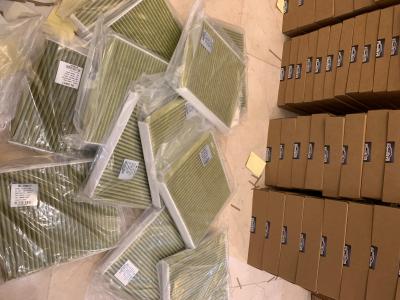
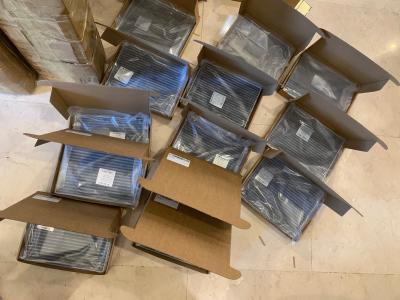
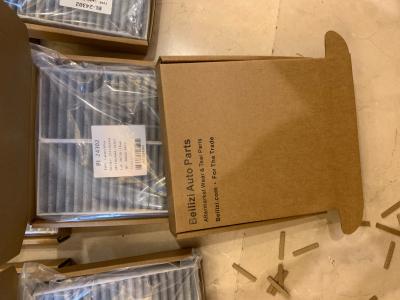
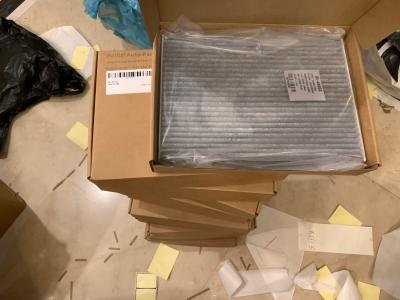
Every Cabin Air Filter in this lineup ships as a 3‑pack. Each filter is individually double‑wrapped. Double independent packaging protects filter media from humidity, dust, and garage‑shop contamination during warehousing. When you sell one filter for a customer job, the remaining two filters stay sealed in original packaging for future service appointments.
Full List of 17 Curated 3‑Pack Cabin Filter
Key Benefits of This 17‑SKU Inventory Approach for Small Repair Shops
✅ Lower Working‑Capital Commitment
Instead of tying funds into 50+ slow‑moving filter SKUs, you concentrate purchasing volume on high‑turn part numbers that match vehicles you actually see day‑to‑day. The 3‑pack format keeps per‑unit acquisition costs low for your shop, improving your gross margin on every cabin‑filter upsell.
✅ Optimized Shelf & Bin Utilization
Double individual packaging shields unused filters against moisture, dirt, and airborne grime typical inside busy auto‑shop storage areas. Unopened filters remain ready for installation months later. You avoid throwing away filters damaged by poor bulk‑pack storage conditions.
✅ Reduce Parts Obsolescence & Waste
Double individual packaging shields unused filters against moisture, dirt, and airborne grime typical inside busy auto‑shop storage areas. Unopened filters remain ready for installation months later. You avoid throwing away filters damaged by poor bulk‑pack storage conditions.
✅ Capture More Upsell Opportunities During Routine Service
When cabin filters are already on‑hand, your service advisor or technician can propose filter replacement during oil changes, tire rotations, or multi‑point inspections. No more telling customers “we need to order this part and you must return later”. Ready‑stock filters improve customer throughput and add steady incremental shop revenue.
Important Practical Guidelines for Implementing This Strategy
This inventory framework targets US‑market domestic and Japanese vehicles only. European makes are excluded from this 17 set. Keep a small contingency plan for European cars: order those filters on a job‑order basis, do not dedicate shelf stock to them unless your shop sees high European‑vehicle traffic.
Always cross‑reference OEM part numbers, vehicle year‑make‑model data before installing any aftermarket replacement cabin filter. Even with strong catalog coverage, double‑check fitment to prevent returns or comebacks.
Final Takeaway for Small Repair Shop Owners
For small auto repair businesses, cabin‑filter inventory management is not about stocking every possible part number. Success comes from stocking the right high‑volume part numbers. Pure activated‑carbon cabin filters deliver consistent, broadly accepted performance without risky marketing‑feature add‑ons.
By limiting your core cabin‑filter inventory to our curated 17 3‑pack lineup, you can reliably cover over 80% of mainstream domestic and Japanese vehicles entering your bays. You free up capital, shrink storage demands, cut obsolescence loss, and unlock more upsell revenue opportunities during everyday service work.
If you would like to review fitment tables, pricing, or place shop‑stock orders, follow the 17 product links, browse the Toyota Carbon cabin Air Filter first. Each product page lists full OEM part‑number cross‑references, vehicle fitment lists, and specification data for your parts lookup workflow.