

Introduction
For independent mechanics and small auto repair garages across the United States, engine oil filters are the highest-turnover, most essential consumable part for routine vehicle maintenance
To set clear market context, we reference data from the Automotive Aftermarket Suppliers Association (AASA):
The North American light-duty vehicle aftermarket processes over 300 million oil filter replacements annually, with regular oil changes accounting for nearly 40% of all general service shop traffic.
Even with this steady demand, most small repair shops suffer from inefficient inventory management:
overstocking slow-moving filter ties up valuable working capital, while understocking fast-moving mainstream filters causes service delays, lost customers and reduced workshop productivity.
Fortunately, shops can resolve this pain point by using a lean, high-coverage inventory model.
Small repair shops no longer need to stock dozens of niche filter models to serve local customers.
A curated set of 9 core oil filter including 6 spin-on filters and 3 cartridge filters
In short, these 9 can cover the vast majority of mainstream US-market passenger cars, SUVs and light trucks (American and Japanese, European brands are excluded).
Below,this article breaks down vehicle coverage, professional inventory arrangement logic, critical supplier selection standards, cost-effective purchasing strategies, and quality control specifications tailored for small-scale auto service businesses.
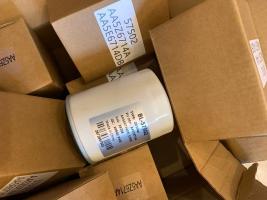
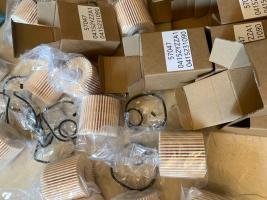
9 Core Oil Filters: 80% Market Coverage for US Mainstream American and Japanese Vehicles
The US automotive market is dominated by Toyota, Lexus, Honda, Mazda, Chevrolet, Ford, Dodge, Ram, Jeep, GMC, Chrysler, Cadillac and other mainstream brands, with consistent filter compatibility across most 2010–2026 model-year vehicles.
To meet this demand, the Beilizi optimized set of 9 oil filters combination perfectly matches market demand characteristics.
Balancing spin-on filter mainstream applicability and cartridge filter new model compatibility, covering nearly all daily service vehicle types for local repair shops.
Among the core product lineup, the OEM 90915YZZN1 (WL10332) spin-on oil filter serves as the flagship high-coverage model, fitting mass-popular US vehicles including:
Toyota Camry (2018–2026), Toyota RAV4, Highlander, multiple Lexus series , Mazda CX-50 and many more.
It features standard 3/4-16 IN thread size, premium cellulose filter media and a built-in anti-drain back valve, meeting Class A durable construction standards for long-term road use.
If you want further details, learn more about our flagship universal maintenance part: Oil Filter 90915YZZN1 WL10332. For all compatible filter models for repair shop inventory planning, browse our full Toyota Oil Filter Category.
All 9 core filters adopt direct OEM-fit design, complete professional cross-reference part numbers, and undergo strict factory calibration.
With this Range, the matched vehicle range covers Asian, American mainstream models, eliminating the need for repair shops to prepare scattered niche filters.
This standardized inventory system greatly simplifies stock management, reduces storage pressure, and improves service response efficiency.
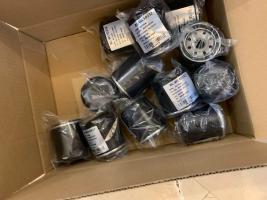
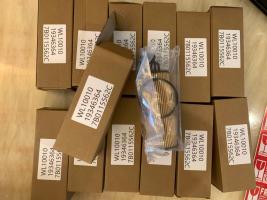
Domestic Reliable Supplier Selection: Core Guarantee of Stable Inventory
Streamlining your part lineup is only the first step of inventory management. Beyond that, choosing a qualified domestic supplier determines the long-term profitability and stability of repair shop parts supply.
For US independent mechanics and small garages, three supplier indicators are irreplaceable: domestic US warehouse inventory availability, fast order response time, and business-friendly MOQ rules.
First, domestic stock availability is the top priority.
Cross-border suppliers face uncontrollable long lead times and logistics risks. In contrast, trusted local suppliers with California and New Jersey warehouses can realize centralized stock deployment, with arrival cycles strictly controlled within 1–2 weeks.
After stock arrives, orders can be dispatched within 1–2 working days, completely avoiding service shutdowns caused by parts shortages.
Second, real-time response capability is crucial for small shop operations. Repair shops often need to verify part compatibility, adjust order quantities and consult after-sales issues.
For this reason, suppliers with dedicated B2B customer service teams can provide fast feedback, effectively solving the problem of slow communication and delayed order processing in traditional wholesale channels.
Low MOQ Bundle Strategy: Economic Inventory Solution for Small Shops
Most traditional auto parts wholesalers set high minimum order requirements. As a result, small repair shops must stock up on large batches of parts, occupying funds and increasing inventory depreciation risks.
For small repair business owners, low MOQ bundled procurement is the core economic advantage of modern parts inventory management.
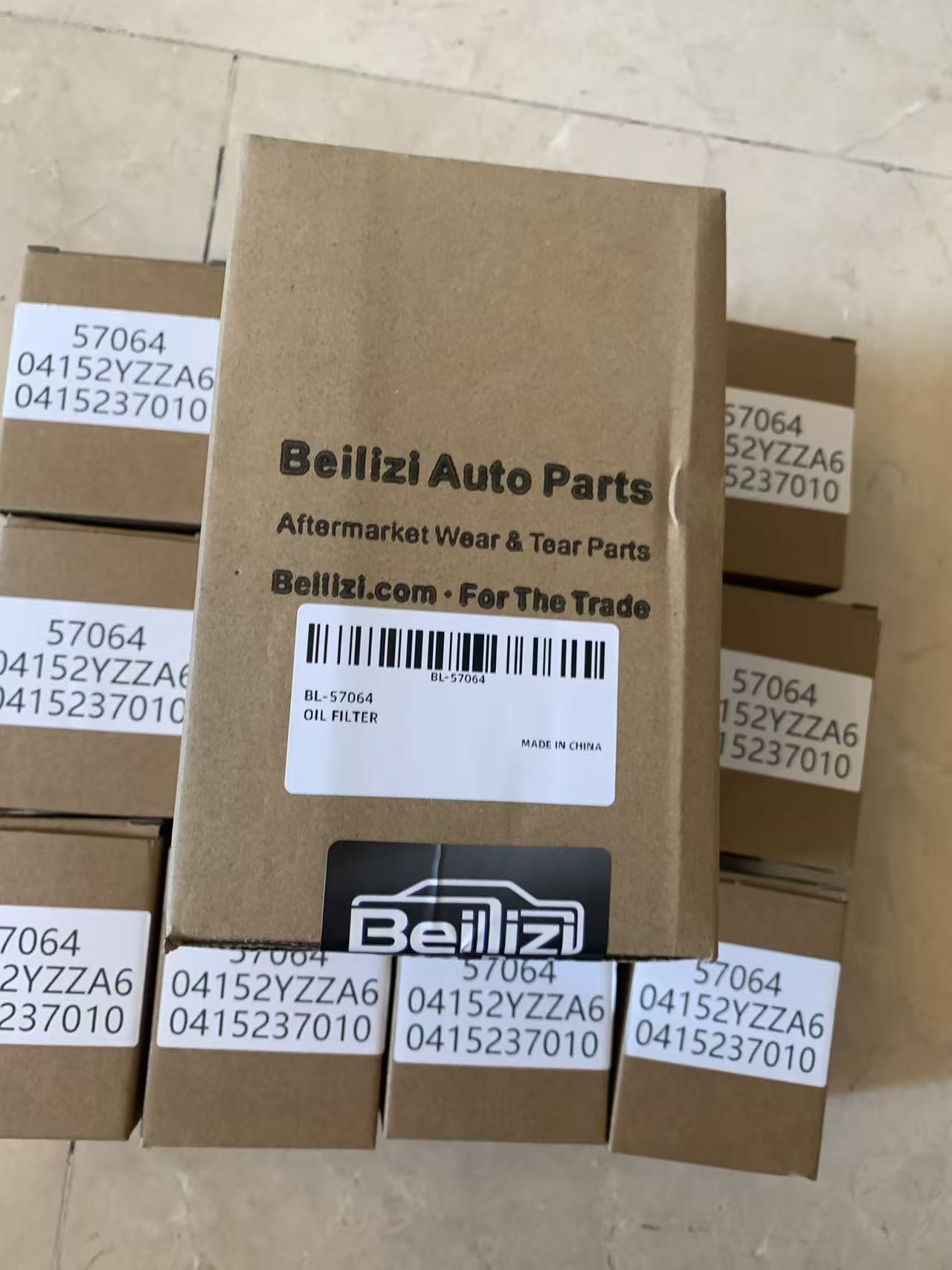
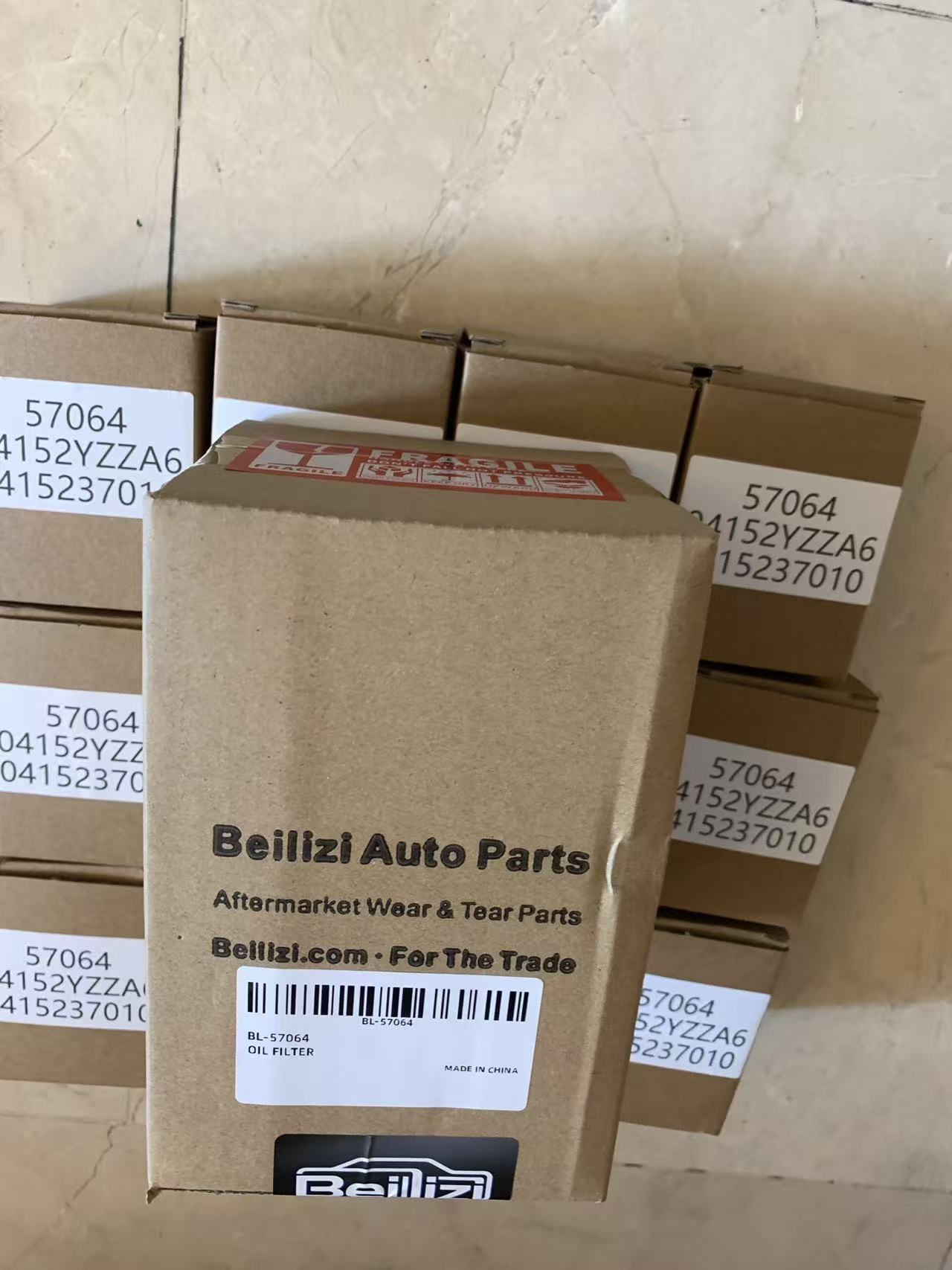
To easy the cash flow and inventory headaches independent mechanics face, our oil filter series provides exclusive 3-PACK bundled options for business users.
This friendly procurement mode does not require large batch purchases, effectively reducing the unit procurement cost of high-frequency replacement filters, while avoiding overstocking.
Shops can flexibly adjust purchase quantities according to monthly service volume, realizing zero-waste lean inventory management.
This approach works especially well for new repair shops and small family garages with unstable order volume.
Helping them control operating costs, improve capital turnover efficiency, and obtain higher profit margins in conventional oil change services.
Professional Inspection & Packing Standards: Avoid Service After-Sales Risks
Aftermarket oil filter quality and packaging safety directly affect vehicle service quality and shop reputation.
For example, poorly made filters or damaged packaging during transportation may cause oil leakage, filter blockage and other failures, triggering customer complaints and after-sales disputes.
Every Beilizi oil filters implement strict pre-shipment QC inspection procedures:
Including thread size calibration, anti-drain back valve function test, filter media density detection and shell pressure resistance inspection.
Before shipping, each batch of products is screened for defective products to ensure 100% OEM-standard fit and performance.
In terms of packaging, customized shockproof and compression-resistant packaging is adopted for bulk orders to protect rubber gaskets, threaded interfaces and filter media from extrusion and moisture damage during cross-state transportation.
Standardized batch packaging also facilitates repair shops to classify, count and store inventory, improving daily warehouse management efficiency.
Conclusion & Business Purchase CTA
For small repair shops and independent mechanics, standardized 9 oil filter delivers a low cost, streamlined stocking option for the US aftermarket.
With wide vehicle coverage, reliable domestic supply, low MOQ bundled purchasing and strict quality inspection standards.
This inventory model can help shops reduce costs, improve efficiency and stabilize service quality.
Optimize your auto parts inventory system now with our professional oil filter solutions, and gain long-term competitive advantages in local aftermarket service.